
Lifecycle of a problem statement: Defining a good one, & the approach to solve it
Successfully leveraging analytics in product development hinges on effectively formulating problem statements and devising strategic approaches to tackle them.

I help startups set up analytics, understand user behaviour, and gain actionable insights to drive product growth

Successfully leveraging analytics in product development hinges on effectively formulating problem statements and devising strategic approaches to tackle them.
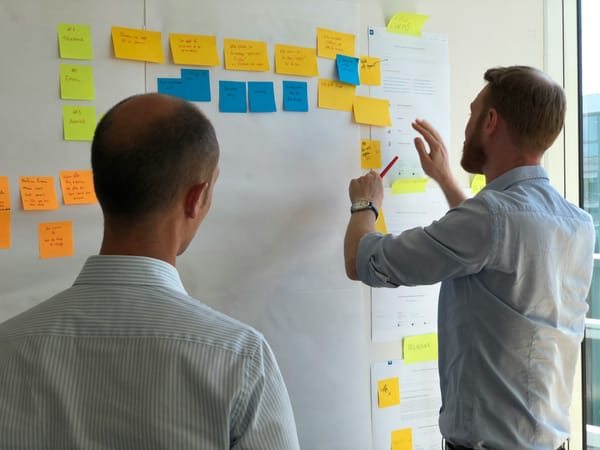
Creating a great product isn't just about innovative features; it's also about ensuring a seamless user experience.
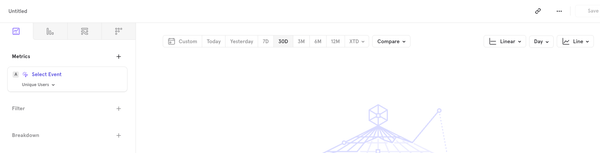
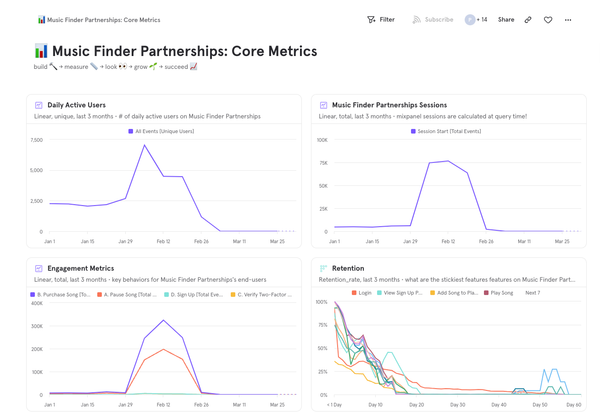
Mixpanel's Insights tab is a powerful tool for visualizing trends over time, distributions, frequency per user, etc.
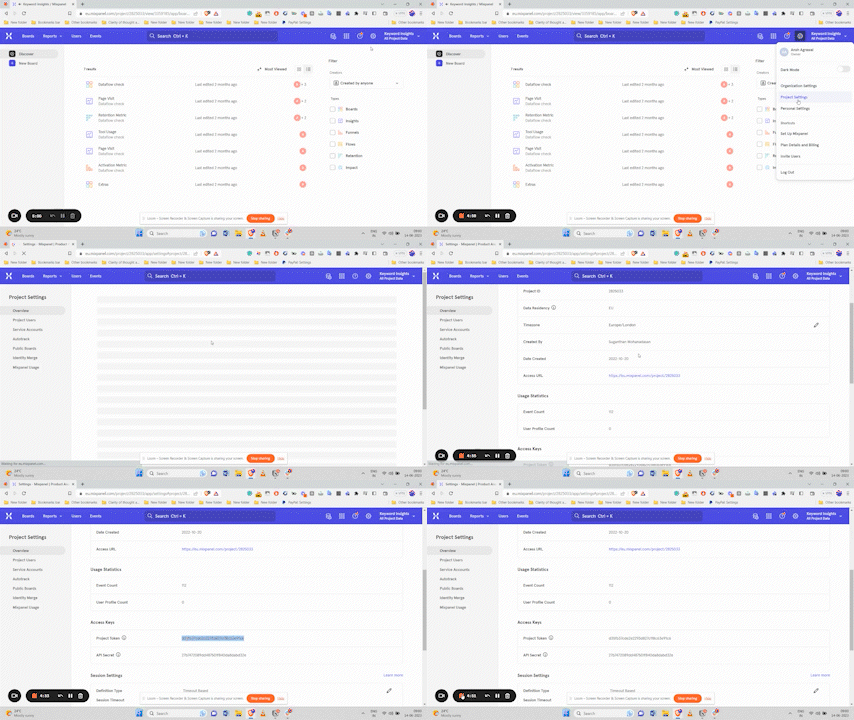
Navigating Mixpanel implementation can be scary, especially when digging through extensive documentation and deciding what and how to track.

Your approach to tracking product data should be based upon your desired outcome, from the tool.
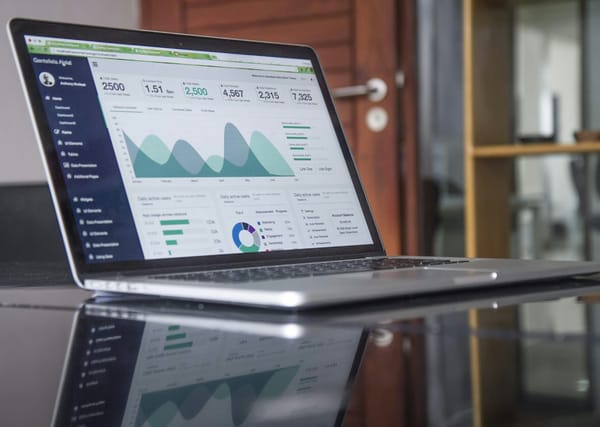
There are multiple frameworks that you can use to create an analytics strategy. I love the AAARRR one.
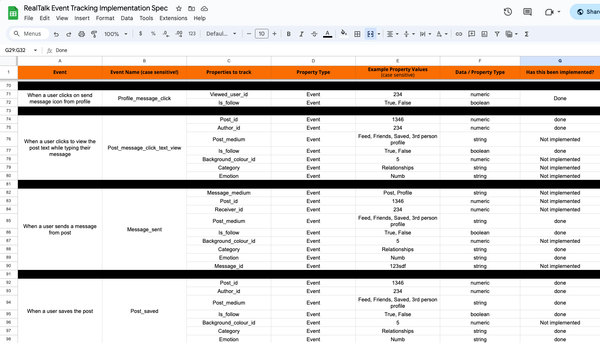
An Event tracking plan is a structured document that lists down all the user interactions that need to be tracked, along with the data to be sent with each interaction.
If you’re absolutely clueless on starting out with Mixpanel, look no further. I’m going to break it down into simple steps for you.
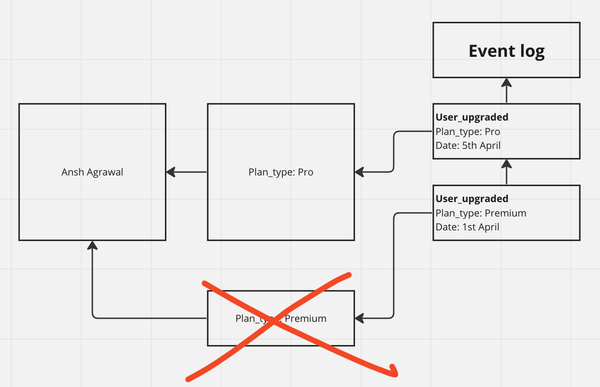
In Mixpanel, data about how users interact with your product is captured through events and properties.
Here's the best way to setup Mixpanel to gain insights about user behavior.